Betrayal Trauma
*
Betrayal Trauma *
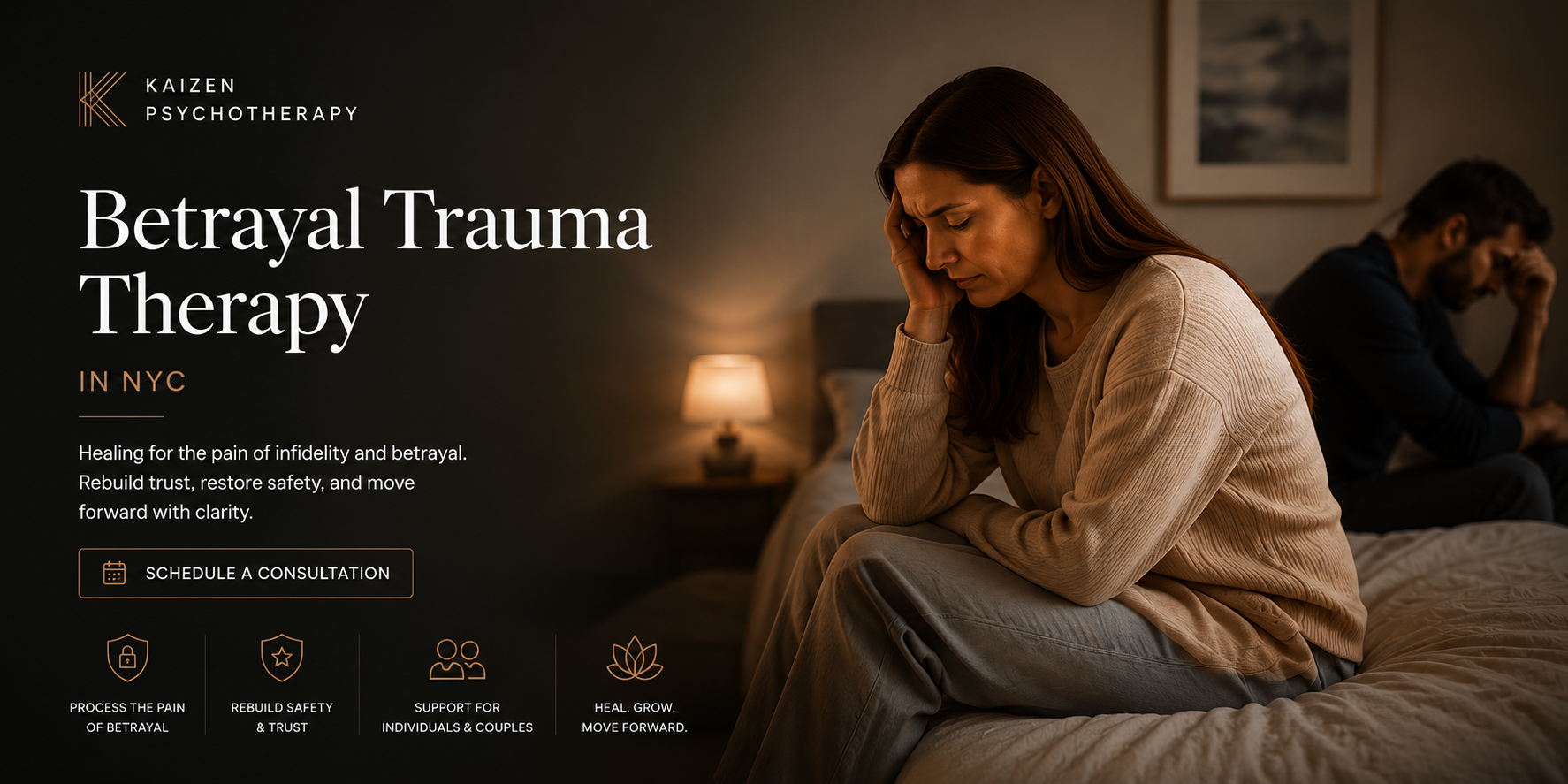
Discovering infidelity, pornography use, secret relationships, or other forms of deception can be one of the most painful experiences a person faces. Betrayal trauma often leaves individuals feeling overwhelmed, anxious, hypervigilant, emotionally numb, and unable to trust their own judgment. Many people describe feeling as though their entire reality has been shattered.
As a therapist specializing in infidelity, betrayal trauma, compulsive sexual behavior, and relationship recovery, I help individuals and couples navigate the intense emotional impact of broken trust. Together, we work to process the trauma, reduce intrusive thoughts and emotional triggers, establish healthy boundaries, and create a path toward healing.
For couples seeking to repair their relationship, therapy focuses on understanding what happened, fostering accountability, rebuilding emotional safety, improving communication, and determining whether genuine reconciliation is possible. For individuals, treatment centers on restoring self-worth, regaining stability, and helping you move forward with confidence—whether that means rebuilding the relationship or creating a new chapter in your life.
Healing from betrayal is possible. With the right support, you can move beyond the pain, regain a sense of security, and create healthier, more authentic relationships.
Betrayal Trauma Symptoms: Obsessive Thoughts, Hypervigilance, and Emotional Distress
-
Help for the Betrayed Partner
Betrayal Trauma Therapy
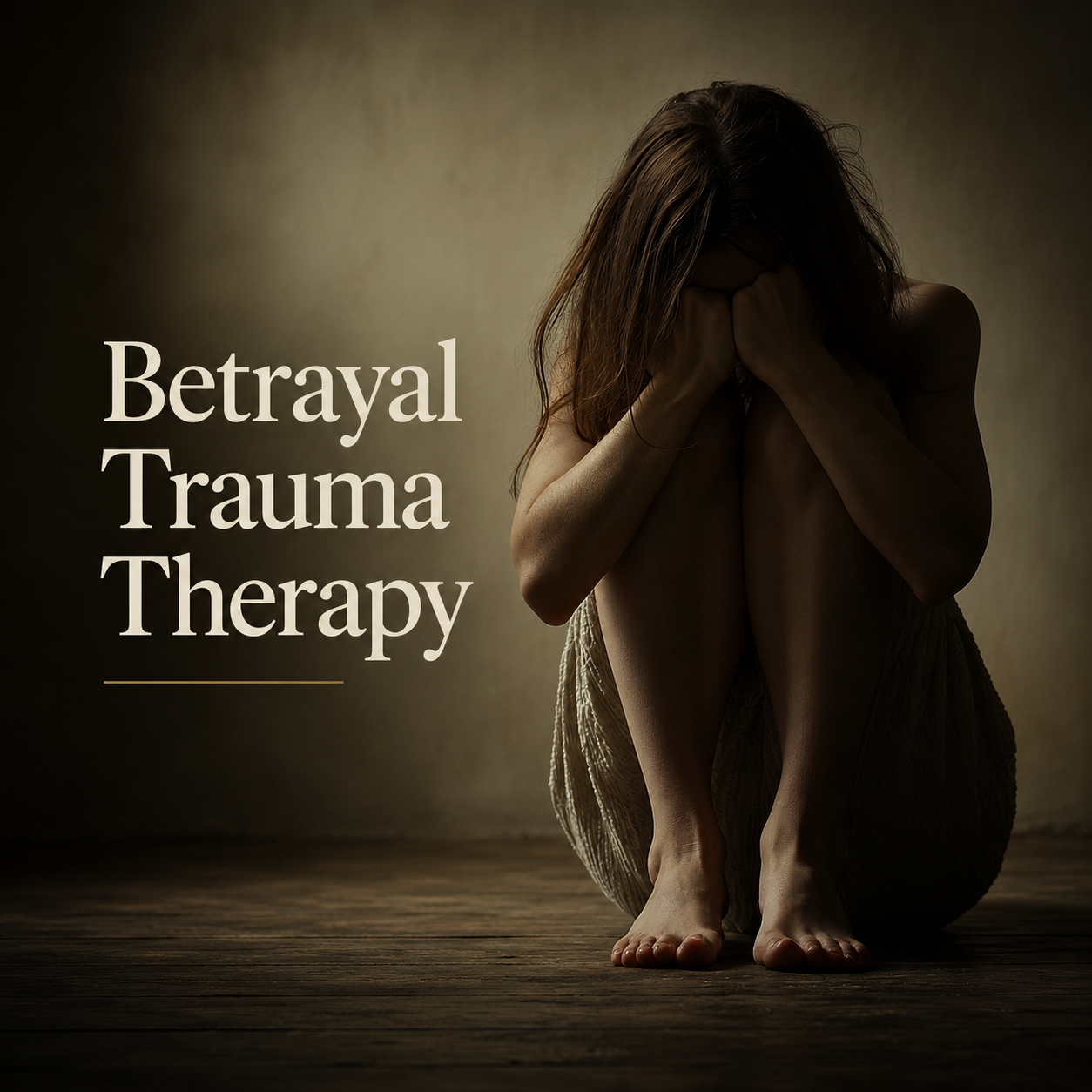
Discovering that a partner has been unfaithful, engaged in secret sexual behaviors, used pornography compulsively, maintained hidden relationships, or repeatedly deceived you can be emotionally devastating. For many people, the experience is far more than a relationship problem—it is a traumatic event that fundamentally alters their sense of safety, trust, and reality.
Individuals experiencing betrayal trauma often find themselves consumed by intrusive thoughts, unanswered questions, and a constant need to make sense of what happened. Many report feeling anxious, hypervigilant, emotionally overwhelmed, unable to concentrate, and preoccupied with fears that additional information has yet to be uncovered. Sleep disturbances, panic attacks, mood swings, difficulty trusting others, and a profound loss of self-confidence are also common. You may find yourself questioning your instincts, doubting your worth, or wondering whether the relationship you believed you had was ever real.
The impact of betrayal often extends beyond the relationship itself. Many individuals experience symptoms similar to post-traumatic stress, including emotional flooding, obsessive thinking, heightened sensitivity to triggers, and a persistent sense of danger or uncertainty. Everyday situations, text messages, social media activity, unexplained absences, or changes in routine can trigger intense emotional reactions. Even when the offending partner appears remorseful, it can feel impossible to relax or regain a sense of security.
As a therapist specializing in betrayal trauma, infidelity, and compulsive sexual behavior, I provide a safe and supportive space to help you process the emotional impact of the betrayal and begin healing. Therapy focuses on understanding trauma responses, managing triggers, restoring emotional stability, rebuilding self-trust, establishing healthy boundaries, and helping you make thoughtful decisions about the future of your relationship.
Healing from betrayal does not mean forgetting what happened. It means reclaiming your sense of self, regaining emotional balance, and moving forward with greater clarity, strength, and confidence. While the pain of betrayal can feel overwhelming, recovery is possible, and you do not have to navigate it alone.
-
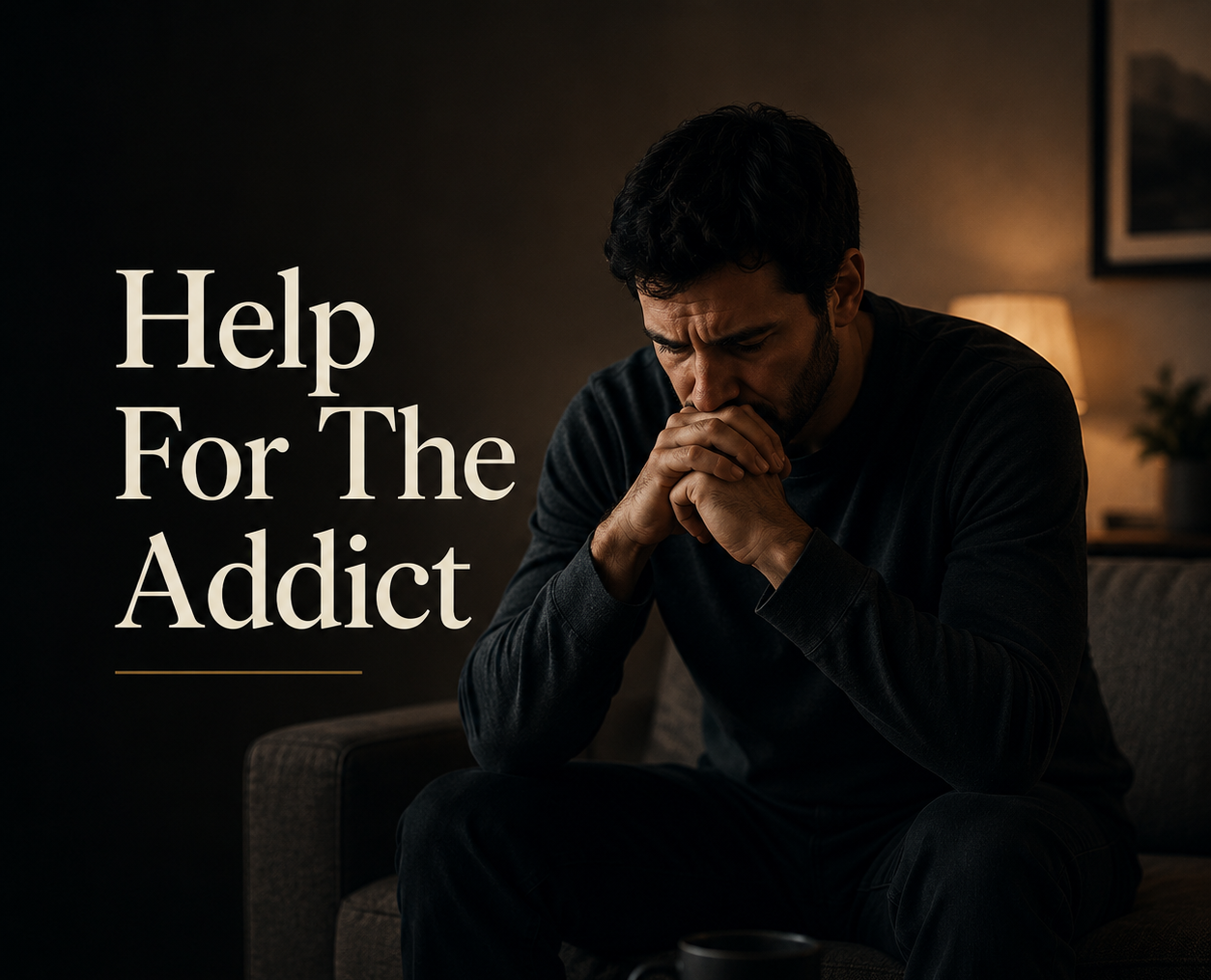
Help for the Addict
Sex Addiction & Compulsive Sexual Behavior Recovery
If you find yourself repeatedly engaging in sexual behaviors that conflict with your values, damage your relationships, or leave you feeling ashamed and out of control, you are not alone. Many individuals struggling with compulsive sexual behavior, pornography addiction, chronic infidelity, anonymous sexual encounters, or other problematic sexual behaviors feel trapped in a cycle they desperately want to stop but cannot seem to break on their own.
Often, the behavior itself is only part of the problem. Many people experience intense shame, guilt, anxiety, loneliness, depression, low self-esteem, and a constant fear of being discovered. You may find yourself making promises to stop, only to return to the behavior days or weeks later. Some individuals feel as though they are living a double life—presenting one version of themselves to the world while secretly struggling with behaviors they cannot fully control. Others feel emotionally disconnected from their partners, unable to cope with stress in healthy ways, or uncertain why they continue engaging in behaviors despite significant consequences.
As a therapist specializing in compulsive sexual behavior and a Certified Sex Addiction Therapist (CSAT) candidate, I help individuals understand the underlying factors driving these behaviors and develop a comprehensive plan for lasting recovery. Treatment focuses not only on stopping problematic behaviors but also on identifying triggers, managing urges, improving emotional regulation, addressing shame, healing past wounds, and developing healthier ways of coping with life's challenges.
Recovery is about more than abstinence. It is about creating a life that no longer requires escape through compulsive sexual behavior. Together, we work to build accountability, strengthen relationships, develop healthy sexuality, and create a foundation for long-term emotional and relational well-being.
While many people seek treatment after a relationship crisis or disclosure, lasting change is possible regardless of where you are in the recovery process. With specialized support, you can break free from destructive patterns, regain control of your life, and begin living with greater honesty, integrity, and self-respect.